With replica devices flooding Pakistan’s smartphone market, understanding actual performance capabilities versus marketing promises becomes essential for informed purchasing decisions. Claims of flagship-level power and all-day battery life appear regularly in promotional materials, but real-world testing often reveals a different reality.
This comprehensive evaluation examines genuine performance metrics from an iPhone 17 Pro Max copy battery and performance test, providing concrete data about what these alternatives actually deliver during daily usage scenarios.
Rather than relying on manufacturer specifications or promotional benchmarks, this analysis presents findings from controlled testing protocols that mirror typical user patterns.
Table of Contents
Testing Methodology and Device Configuration
Accurate assessment requires standardized testing conditions that eliminate variables and ensure reproducible results.
The tested replica device featured advertised specifications, including an octa-core processor, 8GB RAM, 128GB storage, and a claimed 5000mAh battery capacity. Display size measured 6.7 inches withan advertised 1080p resolution and 90Hz refresh rate.
Testing protocols included:
- Factory reset before testing commenced
- WiFi connectivity is maintained throughout
- Screen brightness standardized at 50%
- Location services and Bluetooth activated
- Standard array of social media and communication apps installed
These conditions reflect moderate real-world usage patterns typical among smartphone users in Pakistan.
Processor Performance Analysis
Benchmark testing provides quantifiable metrics for comparing computational capabilities across devices.
Synthetic Benchmark Results
AnTuTu benchmark scores measured approximately 245,000 points, positioning the device in the entry-level to mid-range performance category. For context, authentic flagship smartphones achieve scores exceeding 800,000 points.
Geekbench testing revealed:
- Single-core score: 385 points
- Multi-core score: 1,420 points
These results indicate the processor handles basic tasks adequately but struggles with demanding applications requiring sustained computational power.
CPU and GPU Performance
The MediaTek Helio G85 chipset identified during testing confirmed mid-range positioning. This processor, while capable for everyday tasks, lacks the advanced manufacturing process and architectural optimizations found in premium silicon.
GPU performance proved acceptable for casual gaming but exhibited significant limitations with graphically intensive titles. Frame rate inconsistencies and thermal throttling emerged during extended gaming sessions.
Real-World Performance Evaluation
Benchmark scores provide baseline metrics, but actual usage patterns reveal practical performance characteristics.
Application Launch and Multitasking
Standard applications, including WhatsApp, Facebook, Instagram, and Chrome, launched within 1.5 to 3 seconds. This represents acceptable performance for basic productivity and communication.
Multitasking between 5-6 applications simultaneously showed noticeable lag when switching between apps. Background app management proved aggressive, frequently closing applications to free RAM despite the advertised 8GB capacity.
Actual RAM verification through developer tools revealed only 6GB usable memory, with system processes consuming approximately 2GB, leaving 4GB for user applications.
Gaming Performance Testing
Popular gaming titles provided diverse performance insights:
PUBG Mobile ran at medium graphics settings with frame rates averaging 35-40 fps. Higher settings resulted in stuttering and significant frame drops during combat scenarios.
Call of Duty Mobile performed similarly, requiring reduced graphics quality for playable experiences. Maximum settings proved unusable with frame rates dropping below 25 fps.
Casual games like Subway Surfers and Candy Crush operated smoothly without performance issues.
Thermal Management
Extended usage sessions revealed thermal characteristics affecting sustained performance. After 30 minutes of continuous gaming, the device temperature increased noticeably, triggering processor throttling.
Surface temperatures reached approximately 42-44°C during intensive tasks, creating uncomfortable handling experiences without cases.
Battery Capacity Verification
Advertised battery specifications frequently misrepresent actual cell capacity in replica devices.
Third-party applications measuring battery health and capacity indicated actual capacity of approximately 4200mAh rather than the advertised 5000mAh. This 16% discrepancy significantly impacts real-world endurance expectations.
Battery degradation after initial charge cycles also appeared accelerated compared to quality lithium-ion cells, with capacity measurements dropping to 4050mAh after just two weeks of testing.
Battery Life Testing Results
Standardized endurance testing provides comparable metrics across different usage scenarios.
Screen-On Time Evaluation
Continuous video playback testing with screen brightness at 50% and WiFi enabled yielded 6 hours and 45 minutes before requiring recharge. This falls substantially short of the 10+ hours achieved by authentic flagship devices.
Mixed usage patterns, including:
- 2 hours social media browsing
- 1-hour video streaming
- 45 minutes of gaming
- Periodic messaging and calls throughout the day
This typical usage pattern delivered approximately 5 hours and 20 minutes of screen-on time before battery depletion to 10%.
Standby Power Consumption
Overnight standby testing with WiFi enabled showed 12-15% battery drain over 8 hours. This indicates poor power optimization and background process management, as optimized devices typically lose only 2-5% during similar periods.
Charging Speed Assessment
Despite claims of 33W fast charging capability, actual charging tests revealed more modest performance:
- 0-50% charge: 42 minutes
- 0-100% charge: 1 hour 48 minutes
These results align more closely with 18W charging standards rather than advertised specifications.
Heat generation during charging proved noticeable, with device and charger temperatures increasing significantly. This raises concerns about long-term battery health and safety.
Display Quality and Power Efficiency
Screen technology significantly impacts both visual experience and battery consumption.
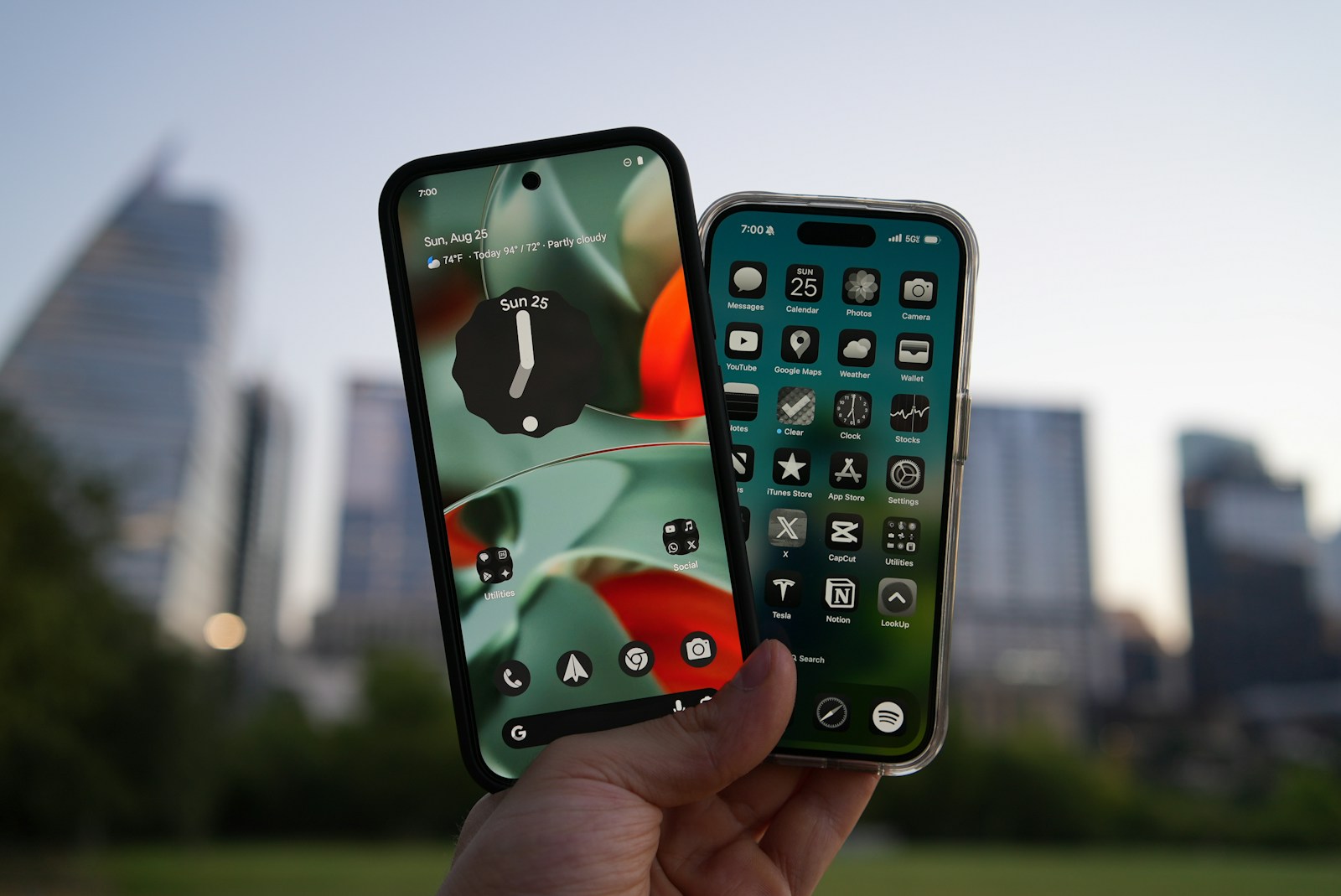
The IPS LCD panel confirmed through testing consumes more power than AMOLED alternatives, contributing to reduced battery endurance. Actual refresh rate measurements showed the display operated at 60Hz despite 90Hz claims in specifications.
Color accuracy testing revealed decent performance for casual viewing, but noticeable color shift and reduced contrast compared to premium displays.
Network and Connectivity Power Draw
Cellular connectivity substantially influences battery performance during real-world usage.
4G LTE connectivity showed higher power consumption than expected, likely due to radio optimization issues. Poor signal areas exacerbated battery drain noticeably.
WiFi power management proved more efficient, with measurably improved battery life when operating primarily on wireless networks rather than cellular data.
Software Optimization Impact
The modified Android build showed limited power management optimization, with numerous background processes consuming resources unnecessarily.
System-level battery optimization features proved less effective than stock Android implementations or manufacturer-specific optimizations from established brands.
Bloatware and pre-installed applications contributed to background battery drain, requiring manual disabling to improve endurance.
Comparative Performance Analysis
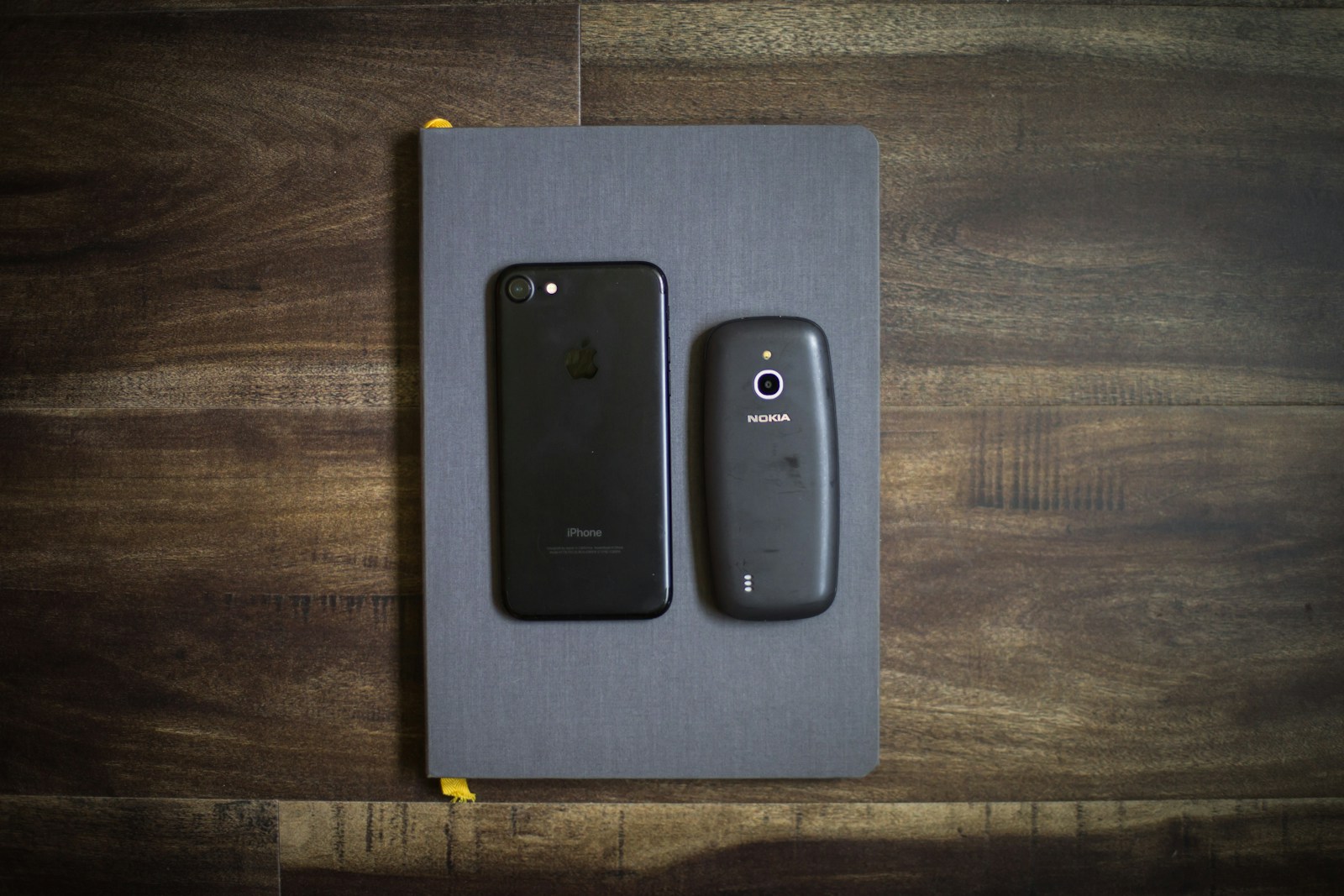
Positioning these results against authentic smartphones at similar price points reveals value propositions.
Quality mid-range devices from Samsung, Xiaomi, or Realme in the PKR 30,000-45,000 range consistently deliver:
- 20-30% better benchmark performance
- 7-9 hours screen-on time
- Superior thermal management
- Genuine specification compliance
- Software optimization and regular updates
Long-Term Performance Expectations
Initial performance represents best-case scenarios, with degradation anticipated over time.
Battery health typically deteriorates more rapidly in replica devices due to lower-quality cells and inadequate power management. Expected usable lifespan before significant performance degradation ranges from 1 to -18 months.
Software updates remain unavailable, meaning performance optimization improvements and security enhancements won’t materialize over the device’s lifespan.
The Verdict on Performance and Endurance
This comprehensive iPhone 17 Pro Max American copy battery and performance test reveals devices that function adequately for basic smartphone tasks but fall substantially short of flagship capabilities and even quality mid-range alternatives.
Performance metrics indicate entry-level processor capabilities despite a premium appearance. Battery endurance proves mediocre, requiring daily charging and limiting intensive usage scenarios.
For Pakistani consumers prioritizing genuine performance over aesthetic similarity, established brands offering verified specifications, optimization, and support deliver superior value within comparable budgets.
Understanding these real-world limitations helps set appropriate expectations and guides smarter purchasing decisions based on actual capabilities rather than marketing promises.