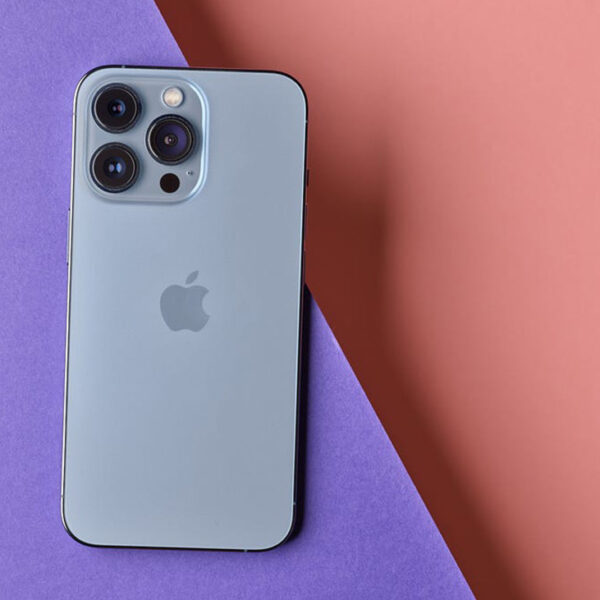
Pakistan’s smartphone market features widespread availability of clone devices that mimic premium brand designs, particularly Apple’s flagship models. These alternatives appear openly in electronics markets, online marketplaces, and retail stores across major cities, creating the impression of complete legitimacy.
However, the question of replica iPhone legality in Pakistan involves complex considerations spanning intellectual property laws, trademark regulations, consumer protection statutes, and import regulations that many buyers overlook when making purchasing decisions.
Understanding the legal framework surrounding these devices helps consumers make informed choices while recognizing potential risks associated with clone smartphone purchases and sales.
Table of Contents
Pakistan’s Intellectual Property Legal Framework

The country’s legal system includes specific provisions addressing counterfeit goods and intellectual property violations.
Trademark Ordinance 2001
Pakistan’s primary trademark legislation prohibits unauthorized use of registered trademarks, including brand names, logos, and distinctive design elements associated with established companies.
Apple maintains extensive trademark registrations in Pakistan covering the “iPhone” name, Apple logo, and various design elements that replica manufacturers frequently reproduce without authorization.
Violating these trademark protections constitutes criminal offenses under Pakistani law, with penalties including fines and imprisonment for commercial-scale violations.
Copyright Ordinance 1962
Copyright protections extend to original design elements, software interfaces, and creative works. While hardware designs receive limited copyright protection, software elements like iOS interfaces face clear copyright restrictions.
Replica devices running modified Android systems designed to visually mimic iOS potentially infringe these copyright protections, though enforcement remains inconsistent.
Import Regulations and Customs Enforcement
Pakistan’s customs framework includes provisions targeting counterfeit and trademark-infringing goods.
Pakistan Customs Act 1969
Customs authorities possess legal authority to seize goods violating intellectual property rights during import processing. This includes devices bearing unauthorized brand markings or logos.
However, practical enforcement varies significantly. Individual imports of single devices for personal use rarely face scrutiny, while commercial shipments containing dozens or hundreds of replica units encounter higher seizure risks.
PTA Device Registration Requirements
The Pakistan Telecommunication Authority implemented the Device Identification, Registration and Blocking System (DIRBS), requiring all imported smartphones to undergo registration using IMEI numbers.
Replica devices often utilize cloned or invalid IMEI numbers, potentially triggering blocking after registration grace periods expire. While this doesn’t directly address legality, it creates functional limitations for clone device users.
Consumer Purchase Legality
The legal position for individuals buying replica devices differs from that of commercial sellers’ exposure.
Personal Use Considerations
Pakistani law doesn’t explicitly criminalize individual consumers purchasing replica devices for personal use. No reported prosecutions exist targeting end-users who bought clone smartphones from local retailers.
This creates a grey area where purchasing remains technically questionable under trademark law but faces minimal practical enforcement against individual buyers.
However, this doesn’t eliminate all risks. Customs seizures during international travel, warranty claim rejections, and potential future enforcement shifts represent considerations for buyers.
Commercial Resale Implications
Individuals purchasing replica devices with the intent to resell face substantially different legal exposure. Commercial sale of trademarked goods without authorization constitutes trademark infringement with potential criminal liability.
Small-scale resellers typically avoid prosecution due to enforcement resource limitations, but legal risks exist regardless of enforcement probability.
Seller and Retailer Legal Exposure
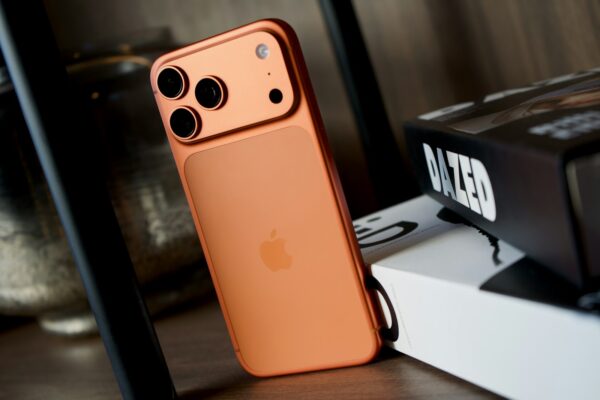
Businesses involved in replica device sales face clearer legal vulnerabilities.
Commercial Sale Violations
Retailers openly selling devices bearing Apple trademarks without authorization technically violate trademark laws. This includes both physical stores and online marketplace sellers.
Despite widespread practice, these activities constitute actionable violations that Apple or authorized distributors could pursue through civil litigation or criminal complaints.
Enforcement Reality
Practical enforcement against replica sellers remains minimal in Pakistan. Several factors contribute to limited action:
- Resource constraints within enforcement agencies
- Higher priority intellectual property cases
- Widespread market acceptance of replica devices
- Limited complaints from trademark holders
- Enforcement focuses on larger-scale counterfeit operations
This creates environments where illegal activity continues openly due to practical rather than legal acceptance.
Apple’s Enforcement Actions
International brands periodically pursue intellectual property enforcement in Pakistan.
Civil Litigation Options
Apple maintains legal rights to pursue civil cases against sellers of counterfeit devices bearing its trademarks. Remedies include injunctions preventing further sales, damages for trademark infringement, and product seizures.
Such actions remain rare in Pakistan’s replica smartphone market, though precedents exist in other counterfeit goods sectors.
Criminal Complaints
Trademark violations under Pakistani law permit criminal prosecution through police complaints. Apple could theoretically initiate such actions against large-scale replica operations.
However, enforcement agencies typically prioritize cases involving direct complaints from trademark holders, and Apple has shown limited interest in aggressive enforcement within Pakistan’s market.
Consumer Protection Implications
Beyond intellectual property concerns, consumer protection laws intersect with replica device sales.
Misrepresentation and Fraud
Sellers marketing replica devices as genuine iPhones commit clear fraud under Pakistani consumer protection frameworks. This represents criminal activity with potential prosecution.
However, most replica sellers advertise devices openly as “copies,” “clones,” or “replicas,” avoiding direct misrepresentation claims while still violating trademark laws through unauthorized use of Apple branding.
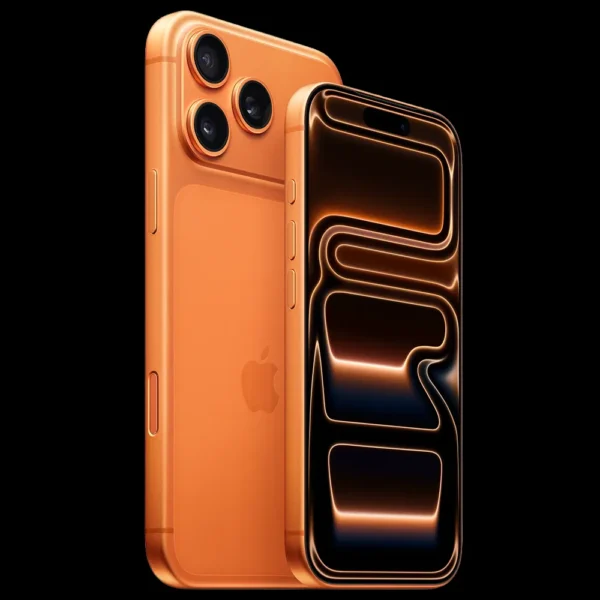
Check out the iPhone 17 Pro Max Copy Price in Pakistan
Buy iPhone 17 Pro Max China Copy in Pakistan
Quality and Safety Standards
The Pakistan Standards and Quality Control Authority (PSQCA) establishes safety and quality requirements for electronic devices. Many replica smartphones lack proper safety certifications, potentially violating quality control regulations.
These violations carry separate legal implications beyond trademark concerns, though enforcement remains limited.
Import Restrictions and Travel Considerations
International movement of replica devices creates additional legal considerations.
Bringing Replicas into Pakistan
Travelers importing single replica devices for personal use typically encounter minimal customs scrutiny. However, carrying multiple units or devices still in commercial packaging increases seizure risks.
Customs officials possess the authority to confiscate trademark-infringing goods regardless of quantity, though enforcement focuses primarily on commercial shipments.
Check out the iPhone 15 Pro Max Master Copy Price in Pakistan
iPhone 14 Pro Max Master Copy Replica Clone Duplicate
International Travel with Replicas
Traveling abroad with replica devices poses greater risks. Many countries enforce intellectual property laws more aggressively than Pakistan, particularly in Western markets and developed Asian nations.
Customs authorities in destinations like the United States, European Union countries, or Australia regularly seize counterfeit goods, including replica smartphones, during entry processing.
Future Legal Landscape
Pakistan’s intellectual property enforcement framework continues evolving, particularly regarding technology sector violations.
FATF Compliance Pressures
Financial Action Task Force (FATF) requirements encouraging Pakistan to strengthen anti-counterfeiting measures may eventually increase enforcement against replica device markets.
Enhanced customs technology, improved IMEI tracking through DIRBS, and international pressure could shift the currently permissive environment toward stricter enforcement.
Digital Commerce Regulations
Growing e-commerce regulations may eventually address online replica sales more directly. Marketplace platforms face increasing pressure to prevent intellectual property violations on their platforms.
Practical Risk Assessment
Understanding replica iPhone legality in Pakistan requires balancing technical legal positions against enforcement realities.
For individual buyers, immediate legal risks remain minimal despite technical violations. However, functional limitations through IMEI blocking, absence of warranty protection, and potential future enforcement shifts represent considerations beyond immediate legality questions.
For sellers, clear legal violations exist despite limited current enforcement. Businesses operating in this space accept legal exposure that could materialize through trademark holder actions or shifting enforcement priorities.
Making Informed Decisions
The legal framework surrounding the legality in Pakistan reveals activities that technically violate intellectual property laws but face minimal practical enforcement against individual consumers.
This doesn’t transform illegal activities into legal ones, but rather highlights enforcement gaps, creating permissive environments for practices that remain legally questionable.
Smart consumers recognize these legal ambiguities alongside quality, performance, and value considerations when evaluating replica device purchases. Understanding complete risk profiles, including legal dimensions, enables genuinely informed decision-making beyond simple price comparisons.
Ultimately, choosing authentic devices from authorized channels eliminates legal uncertainties entirely while delivering superior technology, support, and peace of mind that replica alternatives cannot match, regardless of their legal status.