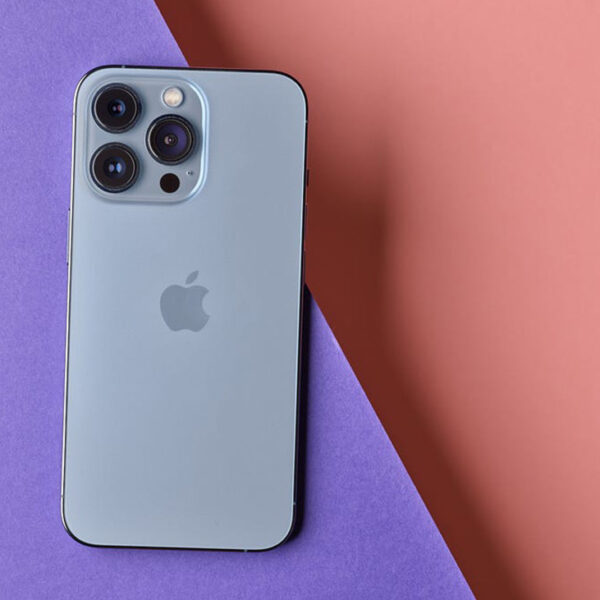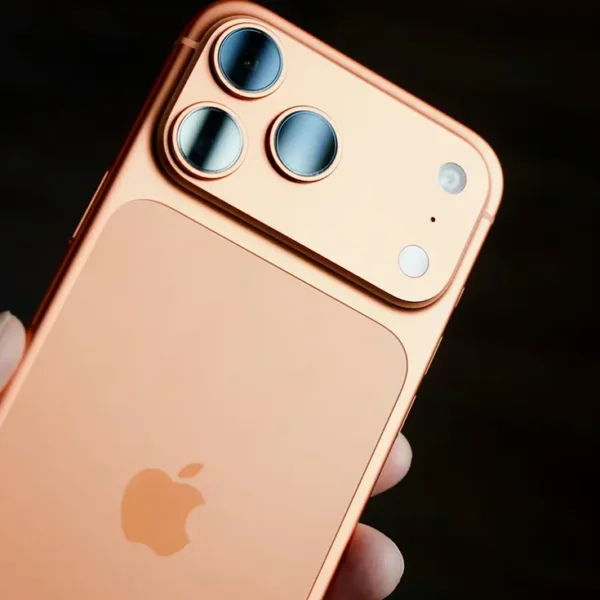
The clone smartphone market has grown exponentially, with manufacturers producing devices that visually mimic Apple’s flagship designs while operating on entirely different internal architectures. Understanding the actual technical specifications behind these alternatives requires looking past marketing claims and examining real hardware capabilities.
Many buyers encounter significant disappointment after purchasing replica devices, primarily due to misunderstandings about what these products genuinely offer versus what promotional materials suggest. The gap between advertised iPhone replica specs and features and delivered performance often proves substantial.
This detailed examination reveals the technical reality behind clone devices, helping potential buyers make informed decisions based on accurate information rather than misleading advertisements.
Table of Contents
Display Technology and Screen Quality
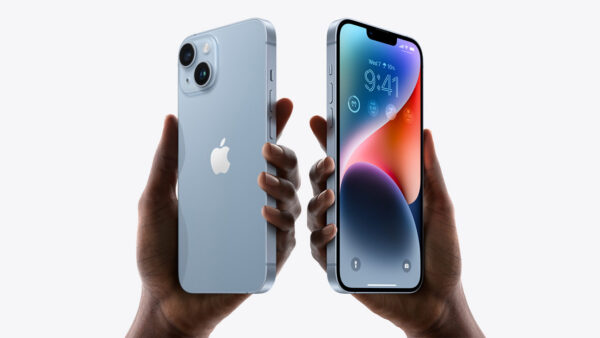
iPhone 17 Pro Max Turkish Copy manufacturers typically advertise impressive display specifications that warrant careful scrutiny.
Screen Size and Resolution
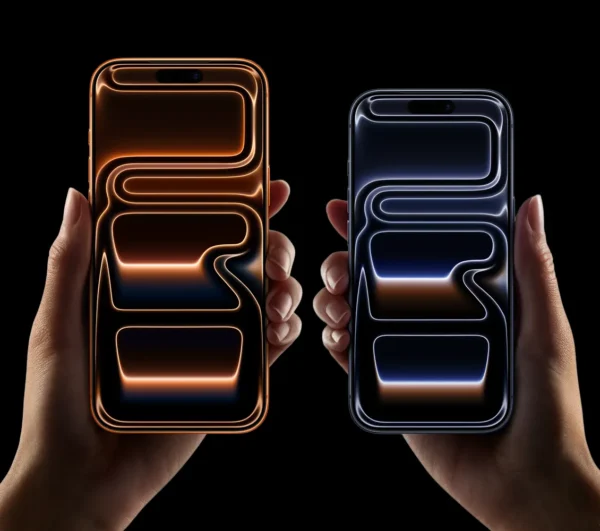
Most clones targeting flagship models feature 6.1 to 6.7-inch displays, matching the physical dimensions of authentic devices. However, actual resolution frequently falls short of advertised figures.
Common display resolutions in quality replicas include:
- 720p (1560 x 720 pixels) in budget options
- 1080p (2340 x 1080 pixels) in mid-range alternatives
- Rarely genuine 2K or higher resolutions despite claims
Panel technology varies significantly, with cheaper alternatives using basic IPS LCD screens while better options incorporate AMOLED or OLED displays. The latter provides superior contrast ratios, deeper blacks, and better power efficiency.
Refresh Rate Specifications
Many modern replicas advertise 90Hz or 120Hz refresh rates for smoother scrolling and animations. Verification through device settings and testing applications often reveals that actual refresh rates don’t match promotional claims.
Genuine higher refresh rate implementations improve user experience noticeably, though battery consumption increases proportionally without proper optimization.
Brightness and Color Accuracy
Maximum brightness levels typically range from 300 to 500 nits in replica devices, affecting outdoor visibility significantly. Authentic flagships achieve 800 to 1600 nits, providing superior readability in bright conditions.
Color accuracy and calibration rarely match professional standards, with most clones exhibiting oversaturated colors or poor white balance.
Processor and Performance Architecture
The chipset represents the most critical component determining actual device performance.
Common Processor Options
Quality replica manufacturers utilize recognizable processors, including:
- MediaTek Helio G85, G95, or G99 for budget-friendly options
- MediaTek Dimensity 700, 810, or 900 for mid-range alternatives
- Unisoc T610 or T618 in various price segments
These processors handle everyday tasks adequately but lack the computational power and energy efficiency of Apple’s custom silicon or Qualcomm’s flagship Snapdragon chips.
RAM and Storage Configuration
Advertised memory specifications require verification, as false advertising remains prevalent. Actual RAM allocations often fall below stated figures:
- Budget clones: 2-4GB genuine RAM (often advertised as 6-8GB)
- Mid-range options: 4-6GB actual RAM (advertised as 8-12GB)
- Premium replicas: 6-8GB legitimate RAM
Storage capacity similarly suffers from specification inflation, with advertised 128GB or 256GB options sometimes delivering only 64GB of usable space.
Expandable storage via microSD cards partially compensates for limited internal storage, though performance implications exist when running applications from external cards.
Camera System Breakdown
Camera specifications represent the area with the most significant marketing exaggeration.
Primary Camera Sensors
Advertised megapixel counts frequently prove misleading. Common actual configurations include:
- 13MP or 16MP primary sensors (advertised as 48MP or 64MP)
- 5MP or 8MP secondary sensors for depth or macro (claimed as 20MP+)
- 2MP tertiary sensors with minimal practical utility
Image processing capabilities lag substantially behind authentic flagships. Limited computational photography features result in:
- Poor low-light performance with excessive noise
- Weak dynamic range and highlight/shadow detail
- Inconsistent color reproduction across lighting conditions
- Minimal HDR implementation
Front-Facing Camera Quality
Selfie cameras typically utilize 5MP to 8MP sensors, regardless of advertised specifications claiming 20MP or higher resolutions.
Beauty modes and filters attempt to compensate for hardware limitations but cannot match sophisticated image processing algorithms in genuine devices.
Video Recording Capabilities
Despite claims of 4K recording, actual video capabilities rarely exceed 1080p at 30fps with acceptable quality. Advertised 4K modes often produce heavily compressed, low-quality footage.
Electronic image stabilization (EIS) implementation varies widely, with budget options offering minimal or ineffective stabilization during movement.
Battery Capacity and Charging Technology
Power management specifications require careful evaluation beyond advertised mAh ratings.
Actual Battery Performance
Genuine battery capacities typically range from 3500mAh to 5000mAh, though printed specifications may claim significantly higher figures.
Real-world battery life depends heavily on:
- Display technology and brightness settings
- Processor efficiency and background optimization
- Network connectivity and signal strength
- Software optimization quality
Most quality replicas provide 6-8 hours of screen-on time under moderate usage conditions, falling short of flagship endurance.
Charging Speed Reality
Fast charging implementations vary dramatically:
- Budget options: 10W standard charging
- Mid-range alternatives: 18W to 25W fast charging
- Premium replicas: Occasionally, genuine 33W charging
Wireless charging remains rare in replica devices, and claimed support often proves non-functional or extremely slow.
Software and Operating System
The software environment fundamentally differentiates replicas from authentic devices.
Android Customization Layers
Clone devices run modified Android builds designed to visually mimic iOS, incorporating:
- iOS-style icon designs and grid layouts
- Control center and notification center replicas
- Gesture navigation mimicking iPhone interactions
- Wallpapers and UI elements resembling Apple’s design language
However, underlying Android functionality creates inconsistencies and limitations compared to genuine iOS experiences.
App Compatibility and Ecosystem
Access to Google Play Services enables standard Android app installation, but iOS-exclusive applications remain unavailable. Apple ecosystem services, including iCloud, iMessage, FaceTime, and AirDrop, cannot function on replica devices.
Third-party alternatives exist for some services but lack seamless integration and reliability.
Security and Update Support
Most replica manufacturers provide minimal or zero software updates after initial release. Security patches lag months or years behind current Android security standards.
This creates substantial vulnerability to emerging security threats and malware targeting outdated Android versions.
Connectivity and Additional Features
Supporting technologies often reveal quality differences between replica tiers.
Network and Wireless Capabilities
- 4G LTE support with varying band compatibility
- WiFi 802.11ac or occasionally WiFi 6 in premium options
- Bluetooth 4.2 to 5.0 connectivity
- GPS, GLONASS positioning systems
5G claims in replica devices warrant extreme skepticism, as genuine 5G modem integration requires significant cost investments rarely made by clone manufacturers.
Biometric Security
Face recognition implementations use basic 2D camera systems lacking the depth mapping and security of advanced facial recognition technologies. These systems prove vulnerable to photo-based spoofing.
Fingerprint sensors, when present, typically utilize optical or capacitive technologies with moderate accuracy and speed.
Build Quality Specifications
Physical construction materials impact durability and premium perception.
Quality replicas incorporate:
- Glass or glass-like plastic front panels
- Aluminum or aluminum-finish frames
- Plastic or glass-effect rear panels
Water resistance ratings advertised (IP67, IP68) rarely reflect genuine testing or protection standards.
Making Informed Decisions
Understanding iPhone replica specs and features requires skepticism toward marketing claims and focus on verifiable hardware components.
The technical reality reveals devices that may satisfy basic smartphone needs but fall substantially short of flagship performance, camera quality, software support, and build durability.
Buyers should approach replica purchases with realistic expectations, recognizing that these alternatives offer aesthetic similarity rather than functional equivalence to authentic devices they imitate.
For those prioritizing genuine performance and reliability, established mid-range smartphones from reputable manufacturers deliver superior value despite different designs.